Low Calorie Japanese Recipes
Clean, umami-rich, and naturally light - these low calorie Japanese recipes lean on dashi, miso, soy, and ginger for big flavor with few calories. Lean fish, tofu, and vegetables carry the dishes while rice and noodles are kept in check. All 11 recipes are sorted by protein so the most satisfying bowls and soups come first.
Why Japanese Food Fits a Low-Calorie Diet
Japanese cuisine is famous for being one of the healthiest in the world, and a big reason is its light, broth- and umami-driven flavor base. Dashi, miso, soy sauce, rice vinegar, and ginger add deep savoriness with almost no calories, so dishes rely on lean fish, tofu, and vegetables rather than fat for satisfaction. Cooking methods favor grilling, steaming, and simmering over deep-frying, and portions are naturally moderate. The calorie traps - tempura, tonkatsu, and kewpie-heavy sauces - are the exception, not the rule. Skip those and most Japanese plates sit comfortably under 500 calories.
Top Japanese Recipes by Protein
Ranked by total protein - the highest-protein low-calorie Japanese dishes first.
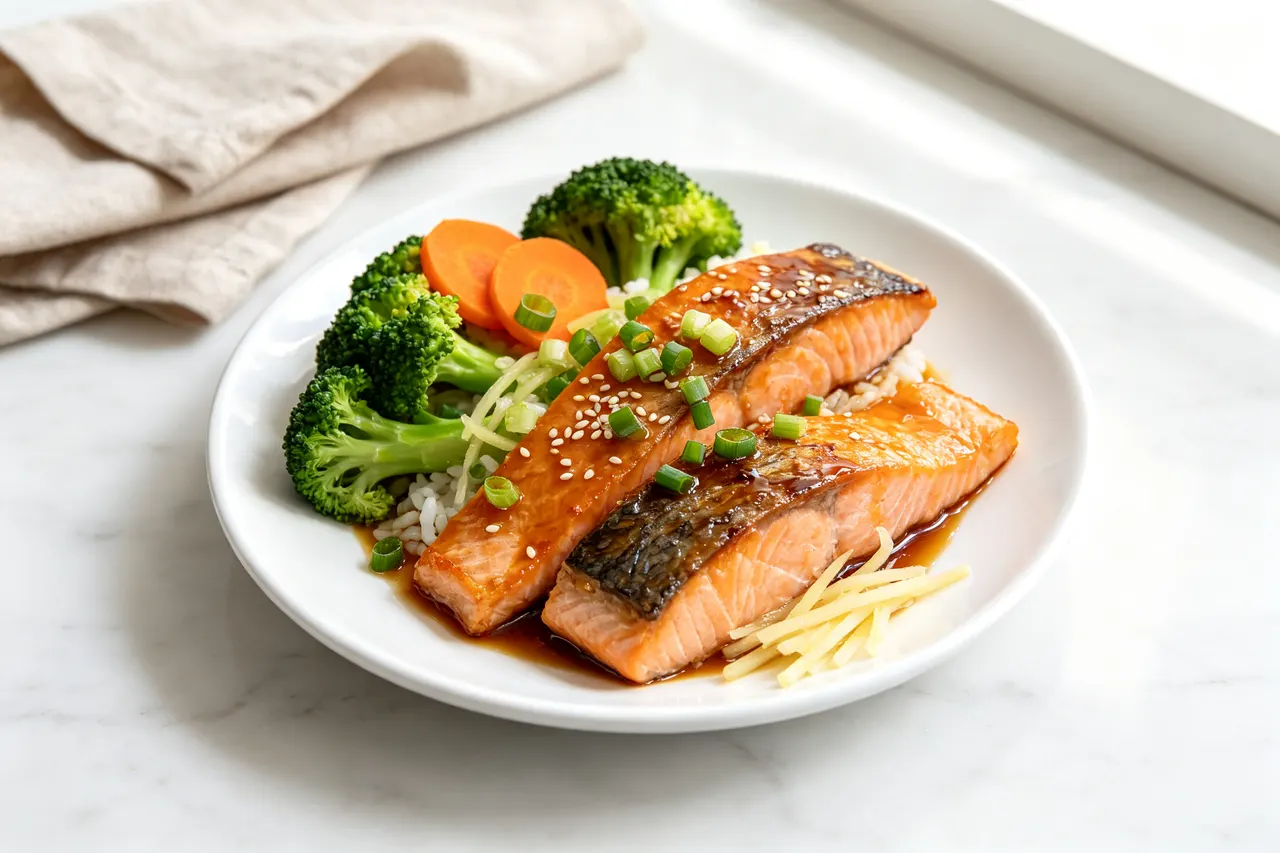
Teriyaki Salmon
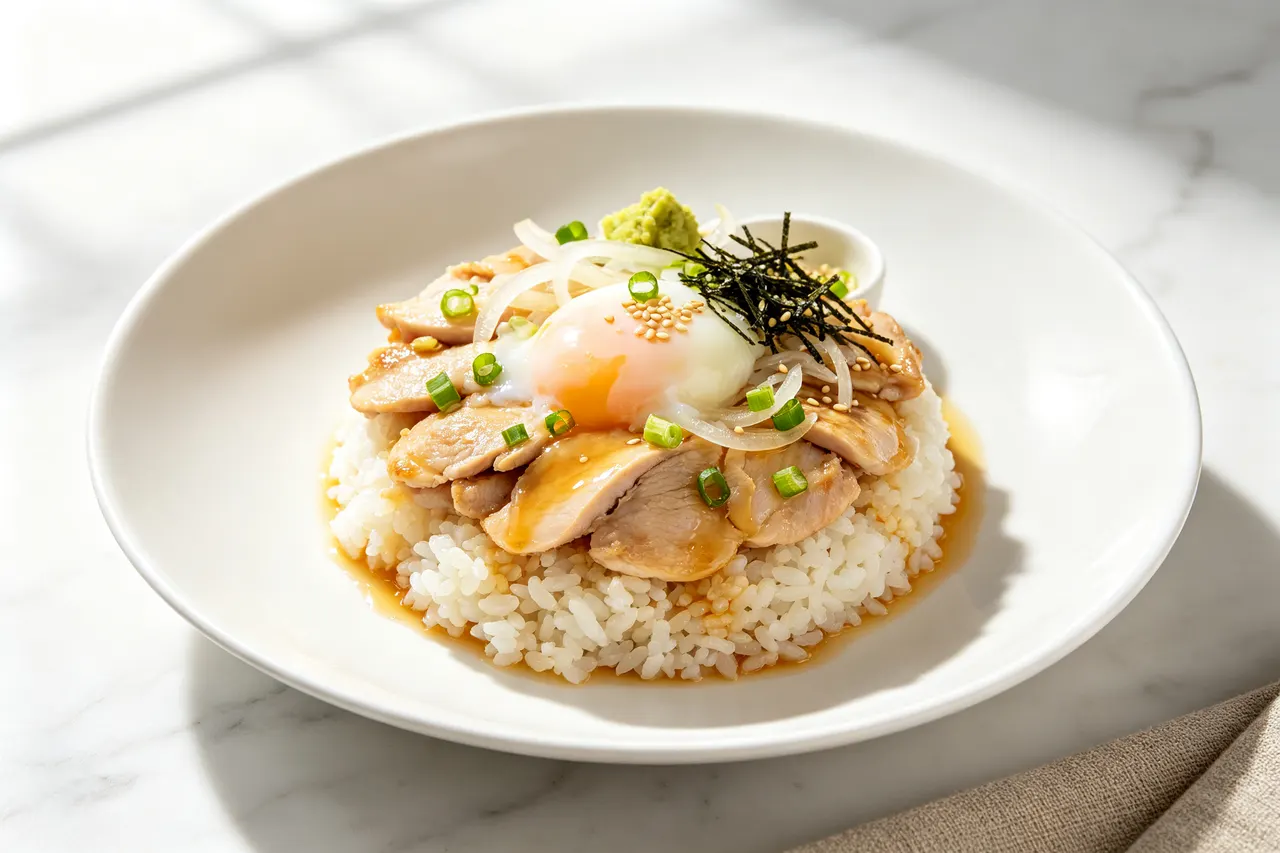
Light Oyakodon
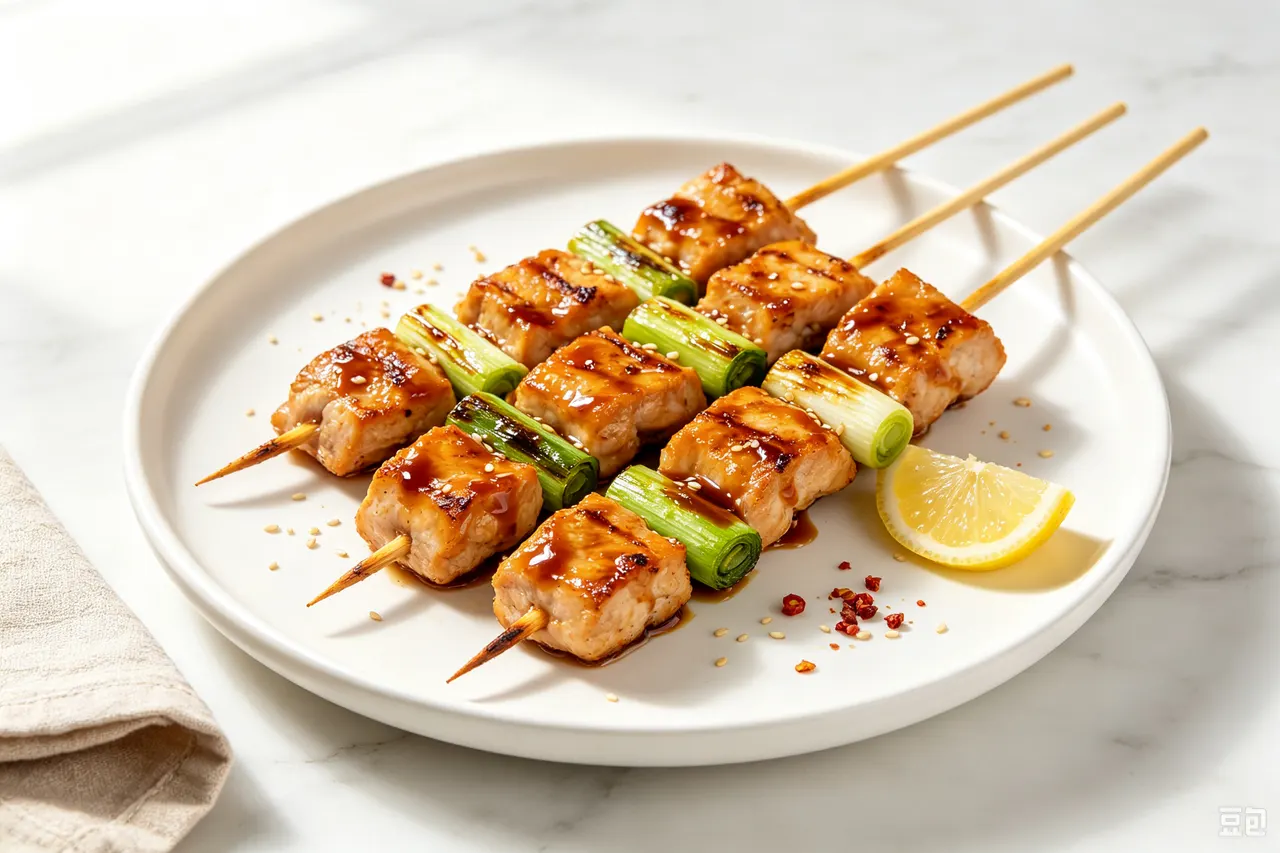
Chicken Yakitori
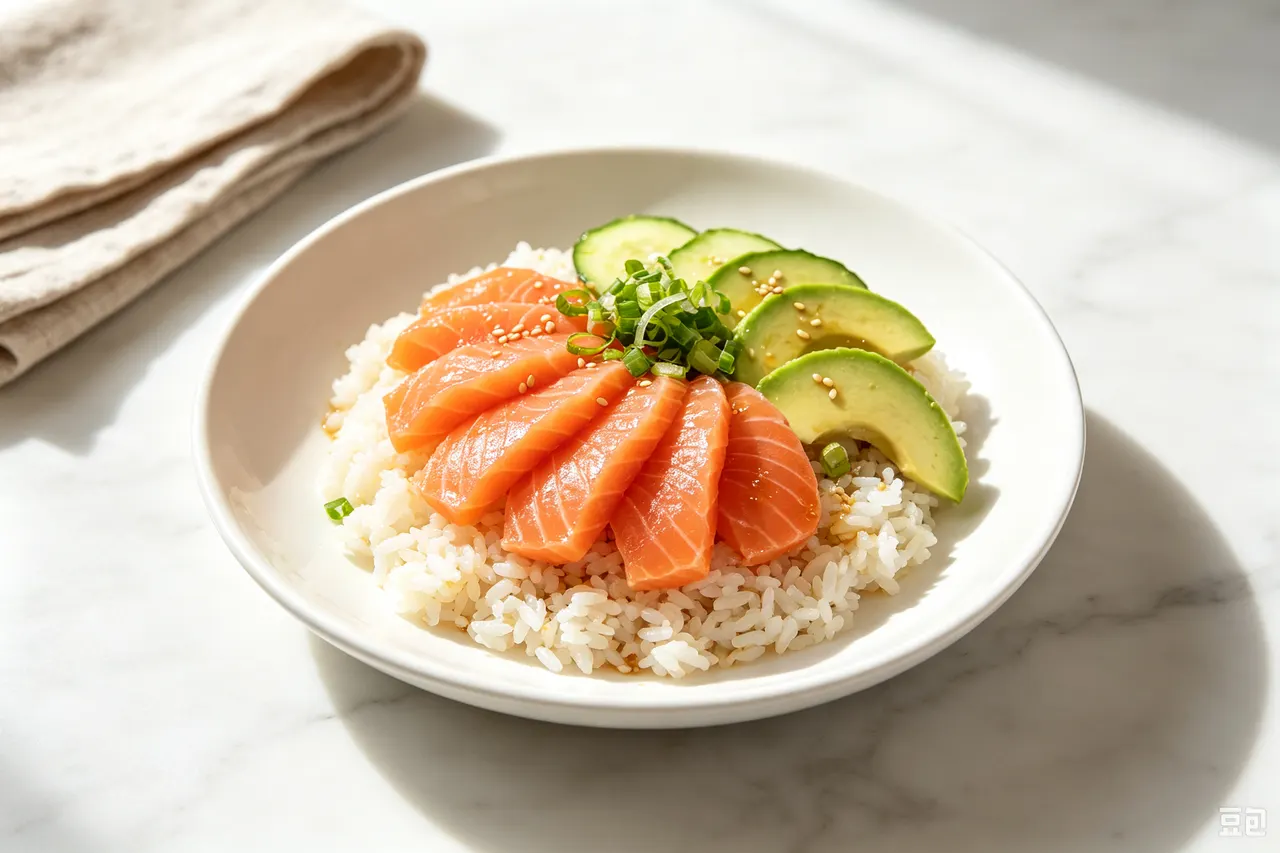
Light Chirashi Bowl
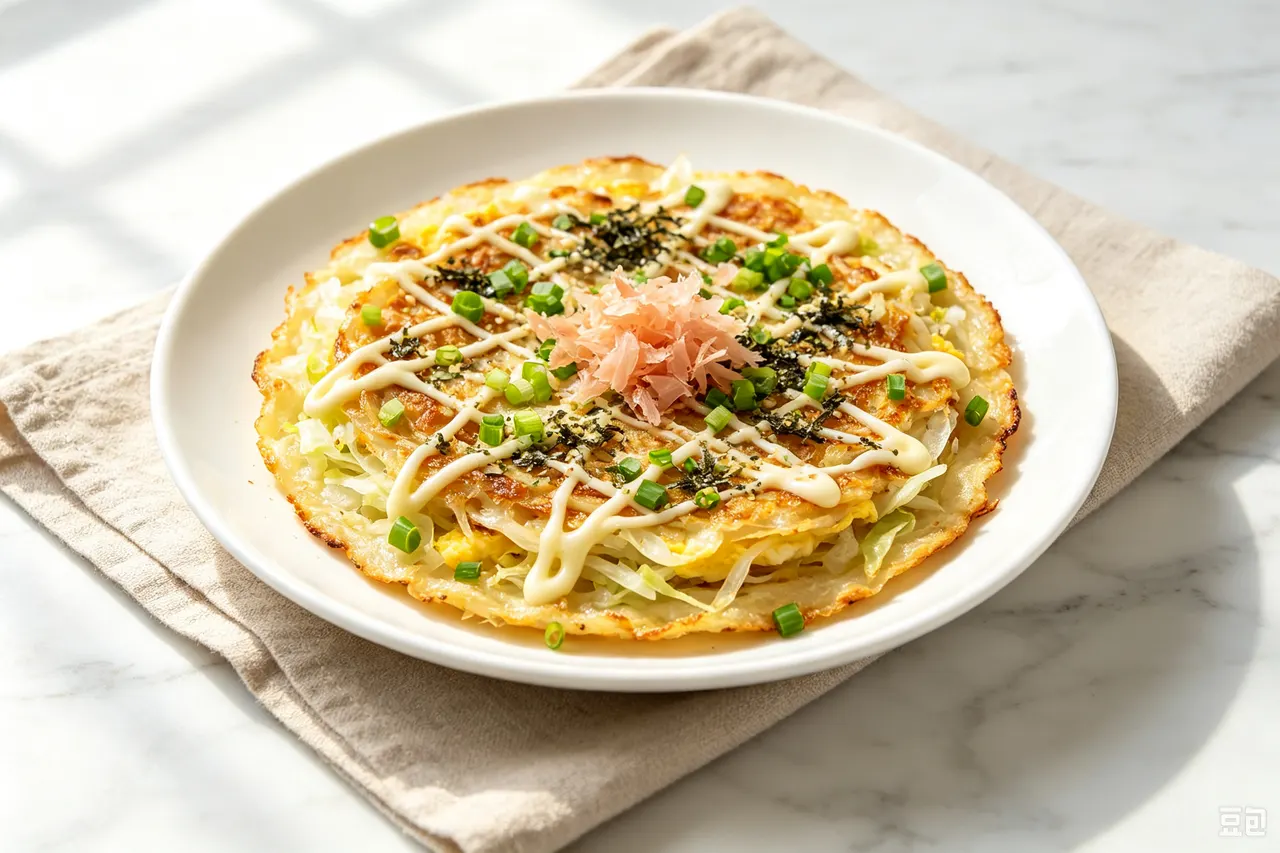
Light Okonomiyaki
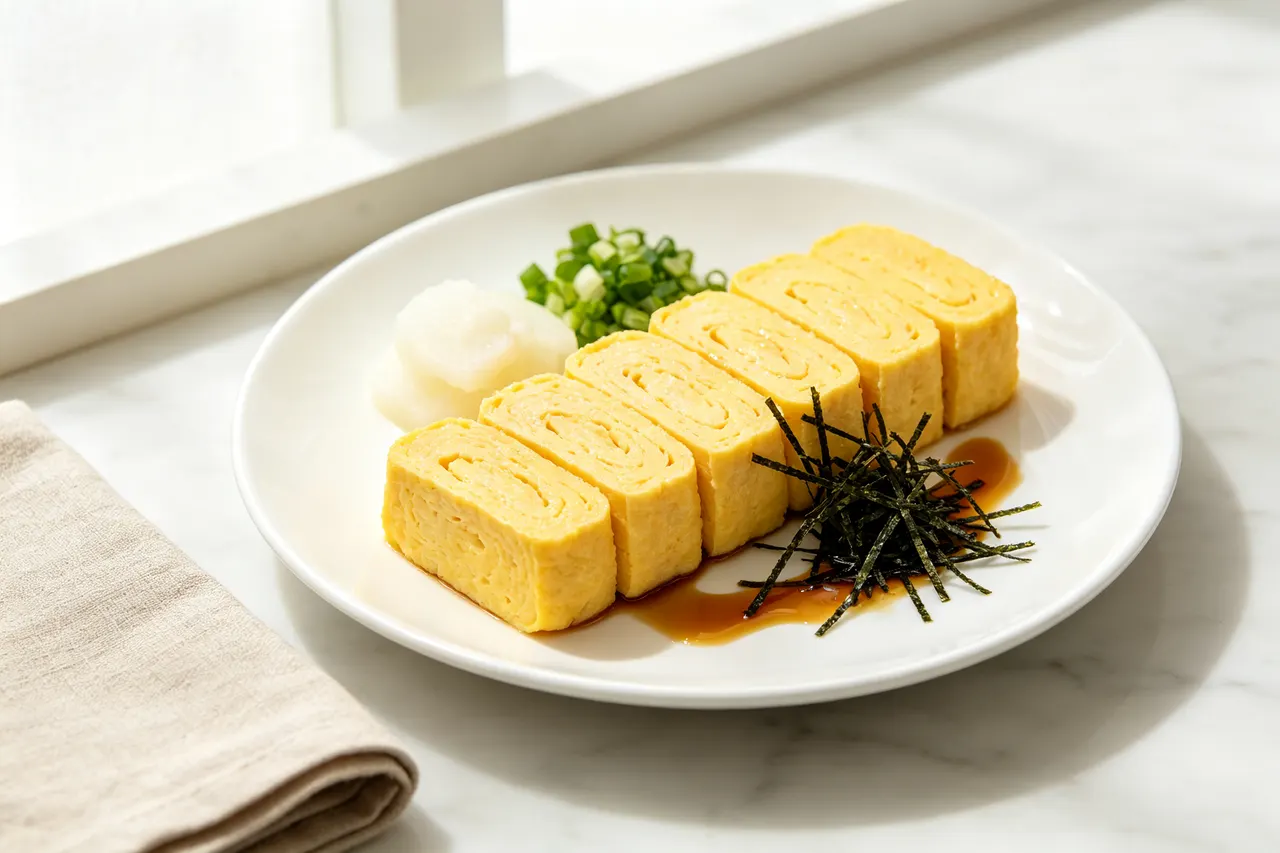
Tamagoyaki Japanese Rolled Omelette
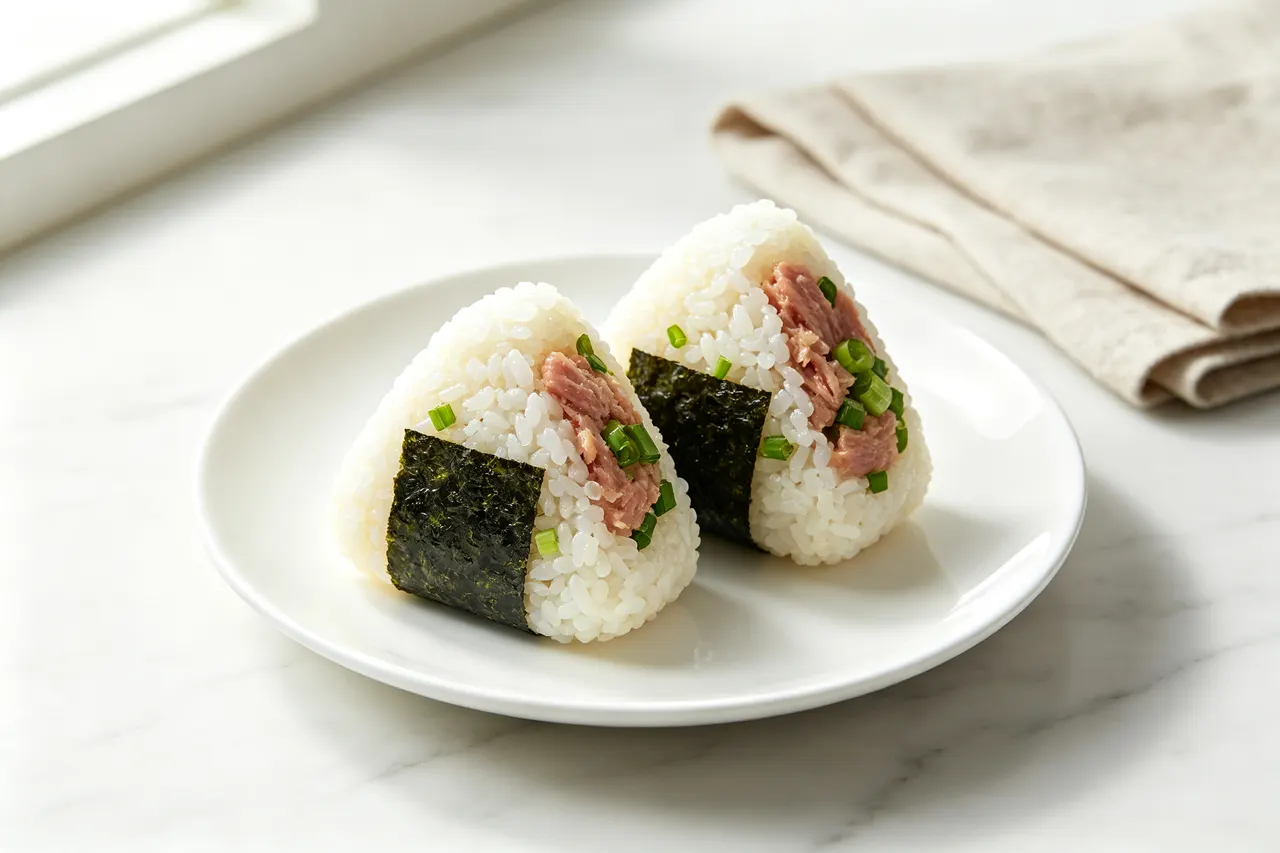
Tuna Onigiri
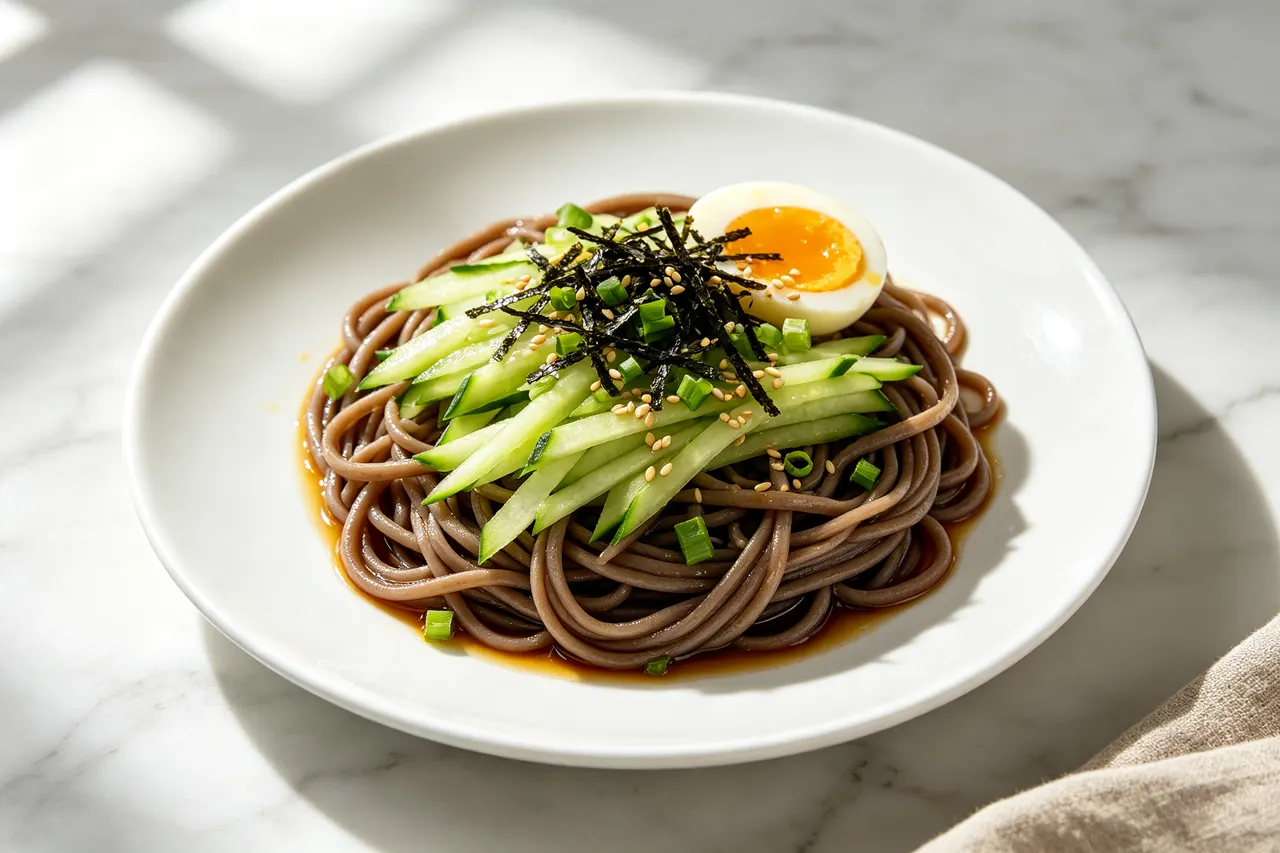
Soba Noodle Salad
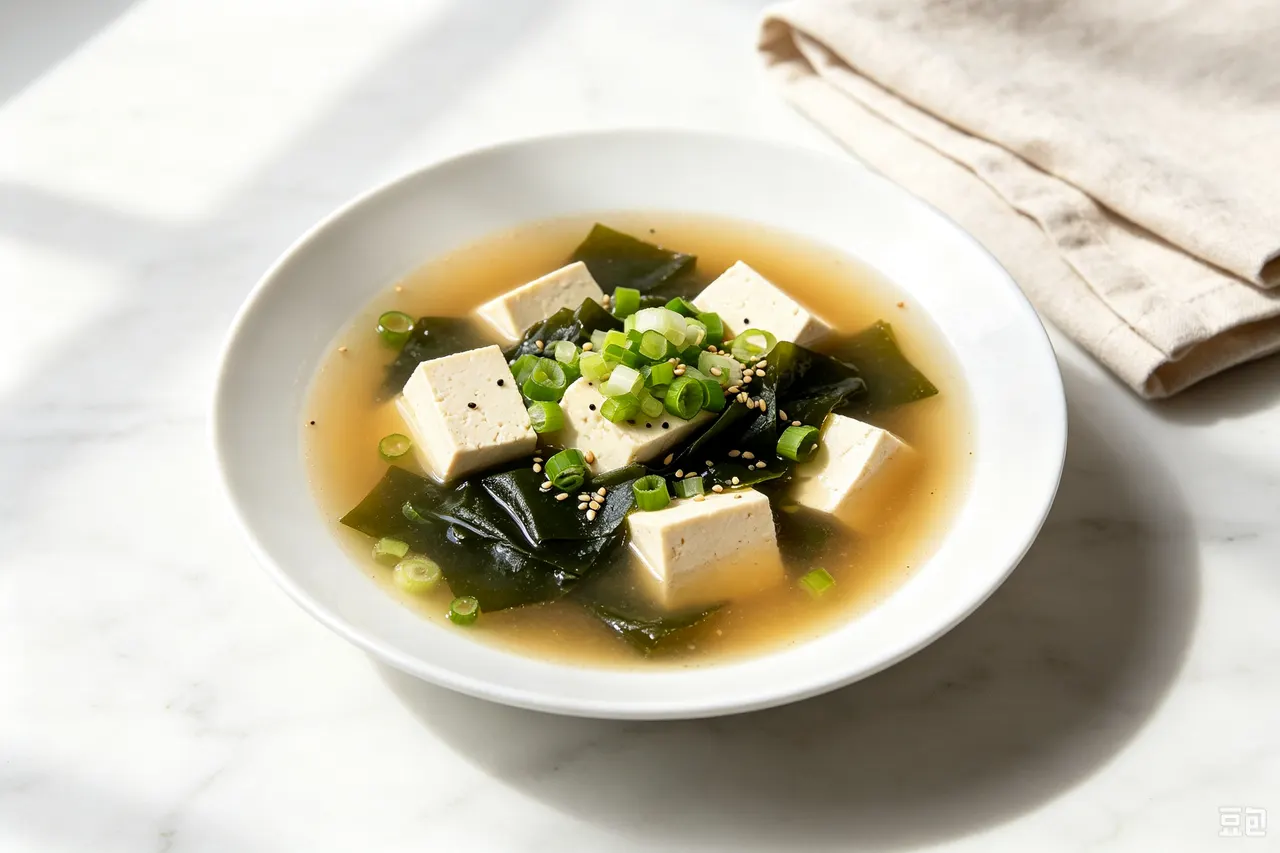
Classic Miso Soup
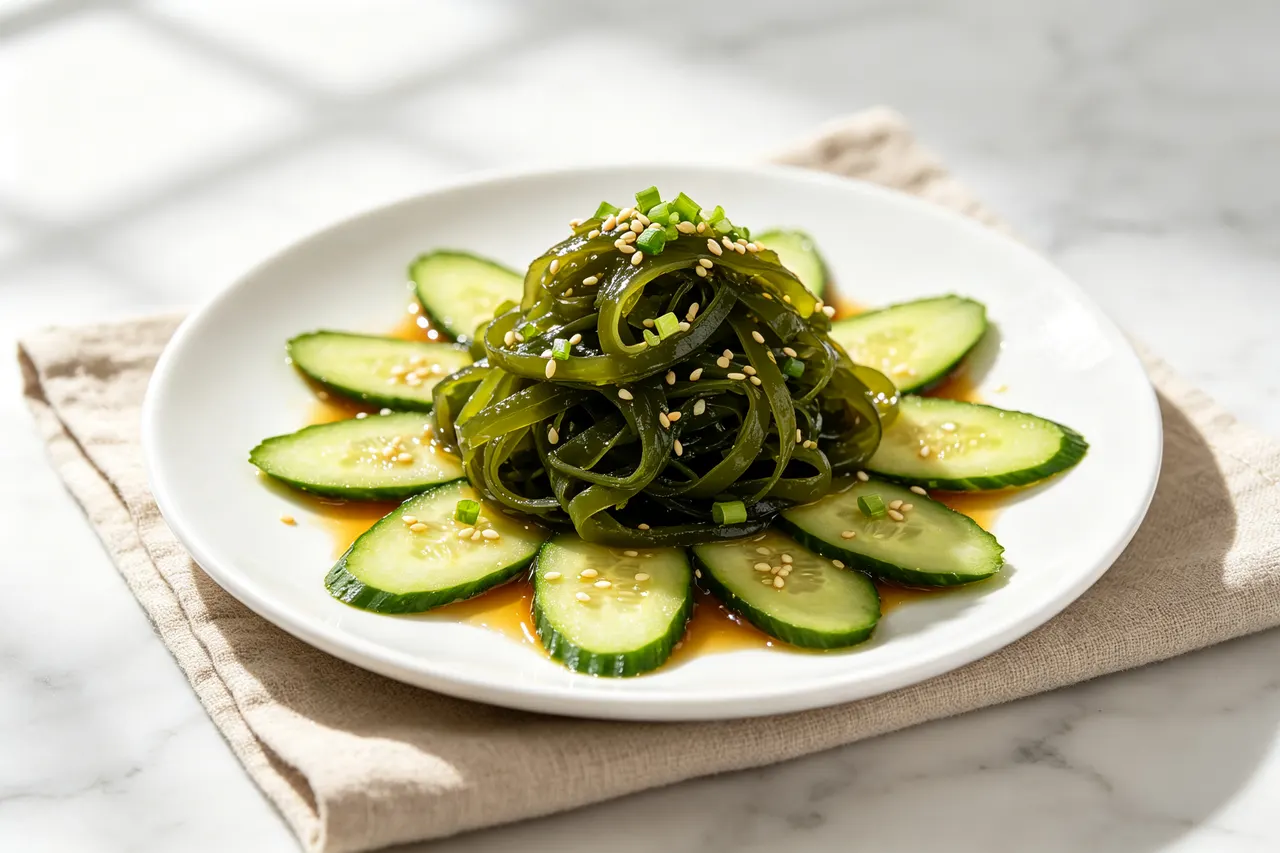
Wakame Salad
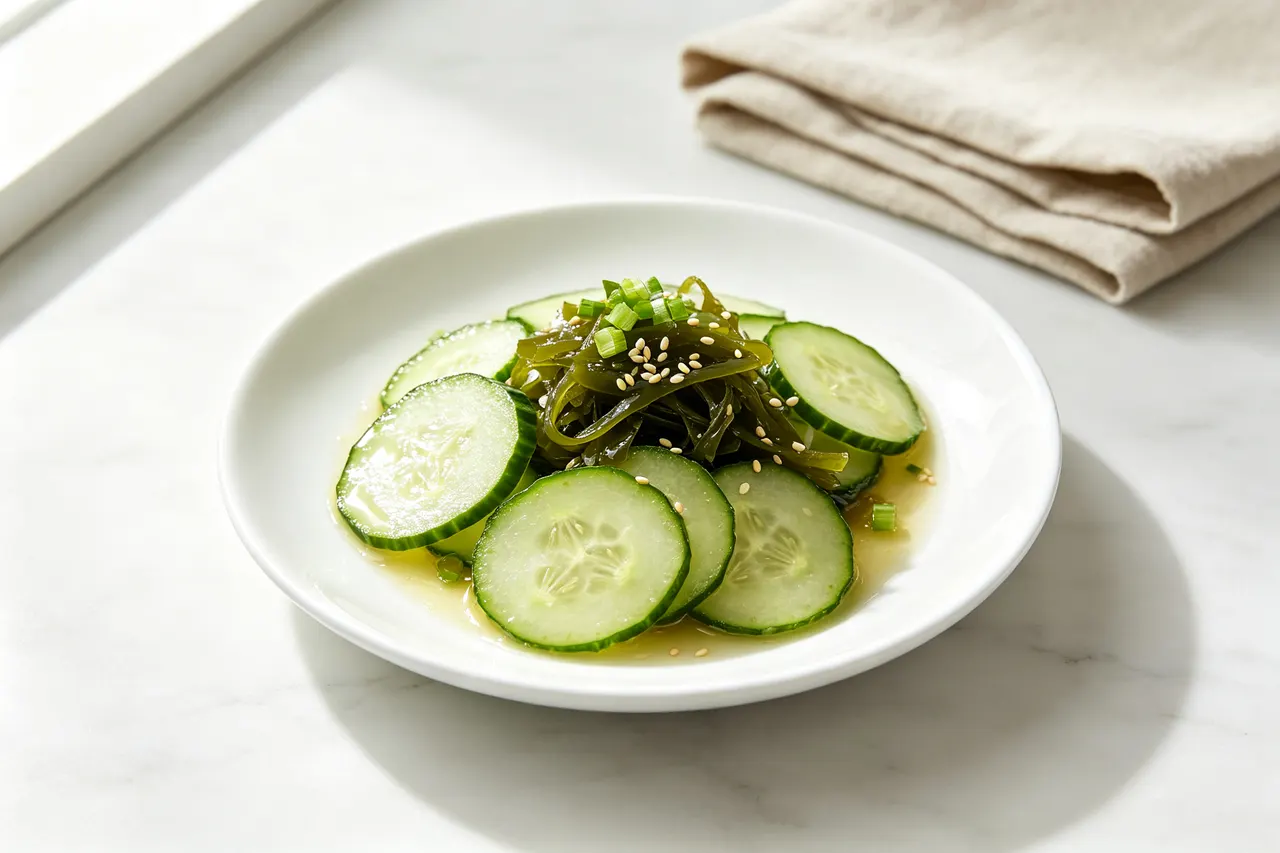
Sunomono Cucumber Salad
What to Look for in Low-Calorie Japanese Recipes
The best low-calorie Japanese recipes lean on dashi, miso, soy, and ginger for flavor and build meals around lean fish, tofu, and vegetables rather than oil. Look for grilled (yakitori), steamed, or simmered dishes, clear broth soups, sashimi and chirashi bowls, and sunomono salads - all naturally light. Watch for tempura, tonkatsu, and kewpie-heavy sauces, which are the main calorie traps, and keep an eye on rice and noodle portions, since they can quietly dominate a bowl.
Pairing matters too. Recipes that fill the bowl with vegetables and protein and treat rice as a moderate base stay far lighter than rice-heavy donburi. A high protein-per-100-calorie score on each card points to the most satisfying bowls and soups, and starting a meal with miso soup is a simple, proven way to add filling volume for very few calories.
Tips for Cooking Japanese Food at Home
- Keep instant dashi or kombu on hand for a near-zero-calorie umami broth base.
- Use a light hand with rice - half a cup, bulked out with extra vegetables or cauliflower rice.
- Grill or steam instead of frying, and rely on soy, ginger, and mirin for big flavor.
- Start meals with miso soup to add filling volume for just 40-80 calories a bowl.
- Swap kewpie mayo for a mix of Greek yogurt and a little mustard in creamy dressings.
Frequently Asked Questions
Are Japanese recipes good for a low-calorie diet?
Yes. Japanese cooking emphasizes lean fish, vegetables, rice, and broth-based dishes seasoned with soy, miso, and dashi - all naturally light. The calorie traps are tempura, tonkatsu, and heavy mayo-based sauces, which are easy to grill or steam instead.
Is miso soup low in calories?
Very. A bowl of miso soup is typically 40-80 calories thanks to a clear dashi broth with just a little miso paste, tofu, seaweed, and scallions. It is filling, savory, and one of the lowest-calorie ways to start a Japanese meal.
What are the lowest calorie Japanese foods?
Miso soup, sashimi, sunomono (cucumber) salad, chirashi bowls with extra vegetables, and steamed edamame. These lean on umami from dashi and soy rather than oil, keeping most servings well under 300 calories.
How do I make Japanese food lower in calories?
Choose grilled (yakitori) or steamed over fried (tempura, katsu), swap white rice partly for cauliflower rice or extra veg, and go easy on mayo-based sauces. Soy, ginger, and dashi add big umami flavor for almost no calories.
Is Japanese rice high in calories?
A cup of cooked white rice is about 200 calories, which is not extreme but adds up quickly if the bowl is rice-heavy. The trick is portion size - keep rice to half a cup and fill the rest of the bowl with vegetables, fish, or tofu, or swap some of it for cauliflower rice to cut calories while keeping the look and feel of the dish.
Is sushi good for weight loss?
It can be. Sashimi and simple nigiri are lean and protein-rich, while vegetable-heavy rolls stay light. The calorie traps are tempura and spicy mayo rolls, cream cheese, and large portions of rice - a typical specialty roll can hit 500 calories. Stick to simpler rolls, add edamame and miso soup for filling fiber, and go easy on soy sauce.
Is ramen low in calories?
Restaurant tonkotsu ramen with a rich pork-bone broth can run 500-800 calories a bowl. For a lighter version, choose a clear shio or shoyu broth, load up on vegetables and lean protein, eat fewer noodles, and skip the fatty chashu or extra oil. Miso ramen sits in between - flavorful but manageable in a moderate bowl.
Related Recipes and Tools
Build a low-calorie Japanese meal plan
Tell us what's in your kitchen and we'll match these Japanese recipes to your ingredients and calorie target.
Build a Meal Plan ->